
Embark on the journey of organizing your closet with our guide on How to Organize Your Closet, ensuring a clutter-free and stress-free space that reflects your style.
Learn the essential steps to transform your closet into an organized oasis that saves you time and brings peace of mind.
Introduction to Closet Organization
A well-organized closet is essential for maintaining a clutter-free living space and streamlining your daily routine. By having a well-organized closet, you can save time, reduce stress, and enjoy a more efficient and pleasant environment.
Benefits of a Well-Organized Closet
- Easy Access: With items neatly arranged, you can easily find what you need without rummaging through clutter.
- Time-Saving: Organizing your closet helps you save time getting ready in the morning, as everything is in its place.
- Reduced Stress: A cluttered closet can add unnecessary stress to your day, while an organized one promotes a sense of calm and order.
- Improved Clothing Care: Proper organization can extend the lifespan of your clothes by preventing wrinkles and damage.
Impact of a Cluttered Closet
A cluttered closet can disrupt your morning routine, leading to frustration and delays. It can also result in misplaced items, duplicate purchases, and a general feeling of disarray in your living space. By maintaining an organized closet, you can avoid these issues and enjoy a more harmonious daily life.
Decluttering Your Closet
Decluttering your closet is an essential step before organizing it. It helps you create more space, reduce clutter, and make it easier to find what you need. Here are some tips on how to declutter and remove unwanted items:
Sorting Through Clothes, Shoes, and Accessories
When decluttering your closet, start by sorting through your clothes, shoes, and accessories. Here are some methods to help you with the process:
- Set aside a designated time to declutter: Choose a day when you have enough time to go through everything in your closet.
- Use the hanger trick: Turn all your hangers backward and flip them forward as you wear items. After a few months, donate or discard the clothes that haven’t been worn.
- Try the KonMari method: Follow Marie Kondo’s method of keeping items that “spark joy” and thanking the ones you’re letting go of.
Criteria for Deciding What to Keep, Donate, or Discard
To make the decision of what to keep, donate, or discard, consider the following criteria:
- Fit and comfort: Keep items that fit well and are comfortable to wear.
- Frequency of use: If you haven’t worn an item in the past year, consider letting it go.
- Style and current trends: Be honest about whether an item reflects your current style and if it’s still in trend.
- Sentimental value: Keep items that hold sentimental value, but don’t hold onto everything for sentimental reasons.
Closet Organization Systems
When it comes to organizing your closet, having a good system in place can make a world of difference. There are various types of closet organization systems available, each with its own set of pros and cons. Let’s take a closer look at some of the options:
Built-in vs. Standalone Closet Organizers
One of the primary decisions to make when setting up a closet organization system is whether to go with a built-in solution or a standalone organizer. Here are the key points to consider:
- Built-in Closet Organizers: These are custom-designed systems that are built into the closet space. They offer a seamless look and can maximize every inch of available space. However, they can be expensive and may not be easily transferable if you move.
- Standalone Closet Organizers: These are modular systems that can be moved around and adjusted to fit different spaces. They are usually more budget-friendly and offer flexibility in terms of configuration. On the downside, they may not utilize space as efficiently as built-in systems.
Functionality of Shelves, Drawers, Bins, and Hangers
Within a closet organization system, the inclusion of shelves, drawers, bins, and hangers plays a crucial role in keeping things tidy and accessible. Here’s a breakdown of their functionalities:
- Shelves: Ideal for storing folded clothes, shoes, or accessories in an organized manner. They help maximize vertical space and make items easily visible and accessible.
- Drawers: Perfect for smaller items or pieces of clothing that need to be neatly tucked away. They can help reduce clutter and keep things out of sight.
- Bins: Useful for grouping similar items together and keeping them contained. Clear bins can make it easier to see what’s inside without having to open each one.
- Hangers: Essential for hanging clothes to prevent wrinkles and maintain their shape. Different types of hangers, such as velvet or wooden hangers, can help optimize space and protect delicate clothing.
Customizing a Closet Organization System
Personalizing your closet organization system is key to ensuring it meets your specific needs and preferences. Here are some tips for customization:
- Assess Your Storage Needs: Determine what items you need to store and how much space they require. This will help you choose the right combination of shelves, drawers, bins, and hangers.
- Consider Your Habits: Think about how you typically use your closet and tailor the organization system to accommodate your daily routine. For example, if you prefer hanging most of your clothes, prioritize hanger space.
- Maximize Vertical Space: Utilize the height of your closet by incorporating tall shelves or double-hang rods. This can create additional storage space for items that are not used frequently.
- Label and Categorize: Use labels or color-coding to identify different sections of your closet and make it easier to find specific items. This simple organizational trick can save you time and prevent clutter.
Maximizing Space in Your Closet
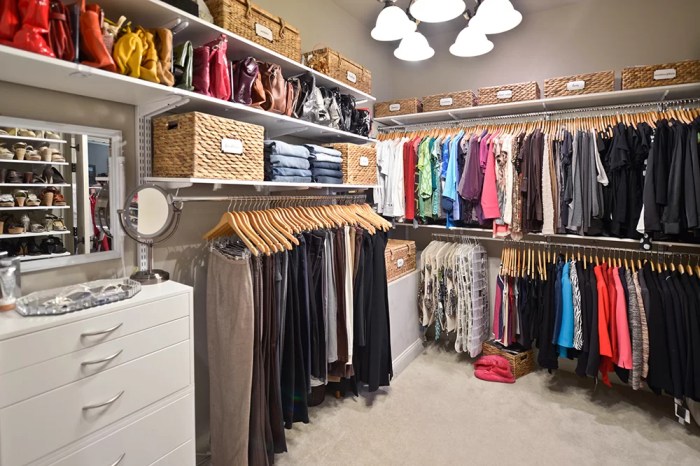
Creating a well-organized closet involves maximizing every inch of available space. By utilizing vertical space, organizers, and underutilized areas, you can make the most out of your closet storage.
Utilizing Vertical Space
To optimize vertical space in your closet, consider investing in hanging shelves or stackable storage bins. These solutions allow you to store items vertically, making it easier to see and access everything in your closet. Utilize the height of your closet by adding additional shelves or using tension rods to create extra hanging space.
Organizers like Hanging Shelves and Shoe Racks
Hanging shelves and shoe racks are excellent tools for keeping your closet organized. Hanging shelves can be used to store folded clothes, accessories, or shoes. Shoe racks help keep your footwear neatly arranged and easily accessible. Consider using over-the-door shoe organizers to save floor space and keep your shoes organized.
Utilizing the Back of the Closet Door for Storage
The back of the closet door is often an underutilized storage space. Install hooks, racks, or hanging organizers on the door to store accessories, bags, scarves, or jewelry. This maximizes space without taking up valuable real estate inside the closet.
Making Use of Underutilized Spaces like Corners and High Shelves
Don’t overlook corners and high shelves in your closet. Install corner shelves or hanging rods to make use of corner spaces. High shelves can be used to store seasonal items, luggage, or items you don’t need frequent access to. Use baskets or bins to keep these items organized and easily reachable when needed.
Maintaining an Organized Closet
Once you have organized your closet, it is essential to establish a routine to maintain its organization and prevent clutter from building up again. Consistency is key to keeping your space tidy and functional.
Seasonal Wardrobe Rotation and Storage
Rotating your wardrobe seasonally helps you stay organized and ensures you are only keeping items that are relevant to the current season. Here are some tips for seasonal wardrobe rotation and storage:
- Store out-of-season clothing in labeled bins or vacuum-sealed bags to save space.
- Regularly assess your wardrobe and donate or sell items you no longer wear.
- Invest in quality storage solutions like under-bed storage containers or hanging organizers.
Addressing Clutter and Prevention
Clutter can quickly accumulate in your closet if not addressed promptly. Here are some strategies to tackle clutter and prevent it from building up:
- Designate specific areas for different categories of items, such as shoes, accessories, and clothing.
- Implement a “one in, one out” rule to prevent overcrowding your closet with unnecessary items.
- Regularly declutter and reorganize your closet to maintain a streamlined and functional space.
Benefits of Regular Maintenance
Regularly maintaining an organized closet offers numerous benefits beyond just a tidy space. Here are some advantages of regular maintenance and organization:
- Save time and reduce stress by easily finding items in your closet.
- Extend the lifespan of your clothing and accessories by storing them properly.
- Create a visually appealing and harmonious space that promotes a sense of calm and well-being.
In conclusion, maintaining an organized closet is key to a streamlined routine and a clutter-free environment. Follow these tips and enjoy a well-organized space that enhances your daily life.
Q&A
How often should I declutter my closet?
It’s recommended to declutter your closet seasonally or at least twice a year to keep it organized.
What are some creative ways to maximize space in a small closet?
You can use slim hangers, hanging organizers, and stackable bins to maximize space efficiently.
Is it necessary to invest in a closet organization system?
While it’s not mandatory, a closet organization system can greatly help in maintaining an organized space.


