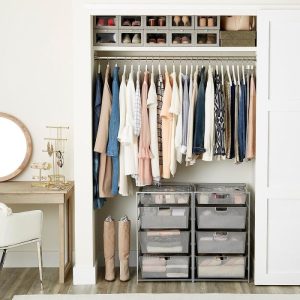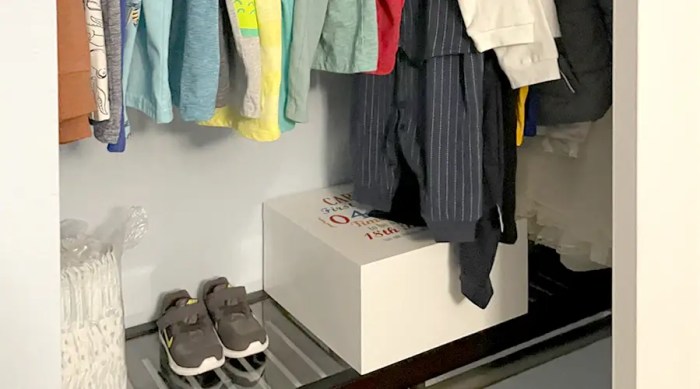
Embark on a journey into the world of closet organization for kids, where efficiency meets creativity in maintaining a clutter-free space tailored to children’s needs.
Discover the secrets to maximizing space, engaging children in the process, and creating a fun yet functional storage solution.
CLOSET ORGANIZATION
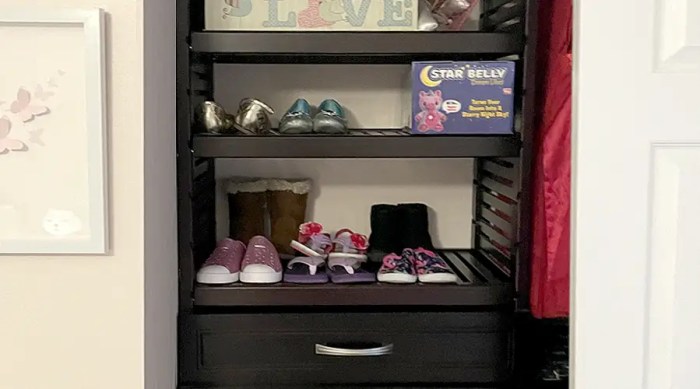
Keeping a child’s closet organized is essential for various reasons. Not only does it make it easier for kids to find their clothes and belongings, but it also teaches them valuable skills in tidiness and responsibility.
Importance of Closet Organization for Kids
Properly organizing a child’s closet can have numerous benefits, including:
- Streamlining the morning routine and reducing stress for both children and parents.
- Encouraging independence and teaching kids to take care of their belongings.
- Maximizing space and making it easier to store and access items.
Key Principles for Effective Closet Organization
When organizing a child’s closet, consider the following principles:
- Sort and declutter regularly to remove items that no longer fit or are no longer needed.
- Utilize storage solutions such as bins, baskets, and shelves to keep items organized and easily accessible.
- Label containers and shelves to help kids identify where things belong.
- Involve children in the organization process to teach them valuable skills and ensure they are invested in maintaining the system.
KIDS’ CLOSET DESIGN
When designing a closet for kids, it is essential to consider their specific needs and preferences. Optimal closet design features for children should focus on maximizing storage space, promoting organization, and ensuring accessibility to their belongings.Child-friendly storage solutions play a crucial role in kids’ closet design. These solutions include adjustable shelves, hanging rods at varying heights, pull-out bins or baskets, and labeled containers for easy identification of items.
Incorporating these elements can help children maintain a tidy and organized closet.
Creative Closet Designs for Children
When it comes to creative closet designs for children, the possibilities are endless. Some popular ideas include:
- Adding colorful bins or baskets to store toys and accessories.
- Installing hooks at a lower height for easy access to jackets and backpacks.
- Using wall-mounted shelves to display books or favorite toys.
- Incorporating a built-in desk or vanity for a multifunctional space.
- Implementing a sliding barn door for a stylish and space-saving closet entrance.
By combining these creative elements with child-friendly storage solutions, you can create a functional and visually appealing closet that meets the unique needs of children. Remember to involve kids in the design process to ensure that the closet reflects their personality and style.
ORGANIZATION TIPS & TRICKS
Organizing a child’s closet can be a challenging task, but with the right tips and tricks, it can become a manageable and efficient process. By decluttering, maximizing space, and organizing items effectively, you can create a functional and tidy closet for your little ones.
Decluttering Tips
- Start by sorting through all the items in the closet and categorize them into keep, donate, or throw away piles.
- Involve your child in the process to decide which items they still use and which ones they have outgrown.
- Consider using storage bins or baskets to contain smaller items and keep the closet looking neat.
Maximizing Space Strategies
- Utilize vertical space by installing shelves or hanging organizers to make use of the entire height of the closet.
- Invest in slim hangers to maximize hanging space and keep clothes organized without taking up too much room.
- Use the back of the closet door to hang accessories or shoes with over-the-door organizers.
Organizing Different Items
- For clothes, organize them by type (shirts, pants, dresses) and then further by color to make it easier to find items quickly.
- Store shoes on a shoe rack or in clear bins so they are visible and easily accessible.
- Use labeled bins or baskets for toys, books, and other miscellaneous items to keep everything in its place.
INVOLVING KIDS IN ORGANIZATION
Involving children in closet organization can have numerous benefits, including teaching them valuable life skills, fostering a sense of responsibility, and promoting independence and organization from a young age. Additionally, it can help create a clean and clutter-free environment in their living space.
Age-Appropriate Tasks for Kids
- Sorting clothes by type (shirts, pants, dresses, etc.)
- Folding and putting away clean laundry
- Choosing outfits for the week
- Donating clothes they have outgrown
- Labeling storage bins or drawers
Making the Process Fun and Engaging
- Turn organization into a game or challenge with rewards for completing tasks
- Create a colorful and visually appealing closet space with fun decor or storage solutions
- Let children personalize their space with stickers, labels, or their artwork
- Play music or audiobooks while organizing to make it more enjoyable
- Involve kids in decision-making about their belongings to give them a sense of ownership
LABELING & CATEGORIZING
When it comes to organizing a child’s closet, labeling and categorizing items play a crucial role in maintaining order and making it easier for kids to find what they need. By labeling and categorizing, kids can learn where each item belongs and develop good organizational habits from a young age.Effective labeling not only helps kids locate their belongings quickly but also encourages them to put things back in their designated spots.
Here are some suggestions for kid-friendly labels and organization systems that can make the process fun and engaging for children:
Color-Coded Labels
Using color-coded labels for different categories of items can be a visually appealing way to help kids identify where things belong. For example, you can use blue labels for clothes, red labels for toys, and green labels for shoes. This system not only makes it easier for kids to recognize where each item goes but also adds a fun element to the organization process.
Picture Labels
For younger children or those who may not be able to read yet, picture labels can be a great way to help them understand where items belong. You can create simple drawings or print out images of the items and attach them to the containers or shelves where they should be stored. This visual cue can make it easier for kids to remember where things go and encourage them to tidy up independently.
Labeling Shelves and Drawers
To make it easy for kids to maintain an organized closet, consider labeling shelves and drawers with the specific categories of items they should contain. For example, you can use labels like “T-shirts,” “Pants,” “Toys,” or “Books” to indicate where each type of item should be placed. This way, kids can easily identify where things belong and develop a sense of responsibility for keeping their closet neat and tidy.Effective labeling and categorizing can empower kids to take ownership of their belongings and develop good organizational skills that will benefit them throughout their lives.
By implementing kid-friendly labels and organization systems, you can make the process of organizing a child’s closet both practical and enjoyable for children.
In conclusion, mastering the art of closet organization for kids brings harmony to daily routines and fosters a sense of responsibility in little ones, making tidying up a breeze for the whole family.
FAQs
How can I involve my child in organizing their closet?
Consider assigning age-appropriate tasks like folding clothes or arranging toys, making it a fun bonding activity.
Why is labeling important in a child’s closet?
Labeling helps kids easily find and put away items, teaching them the value of organization from a young age.
What are some creative closet designs for children?
You can explore themes like princess castles, pirate ships, or jungle safaris to make the closet visually appealing and exciting for kids.